Feline Care
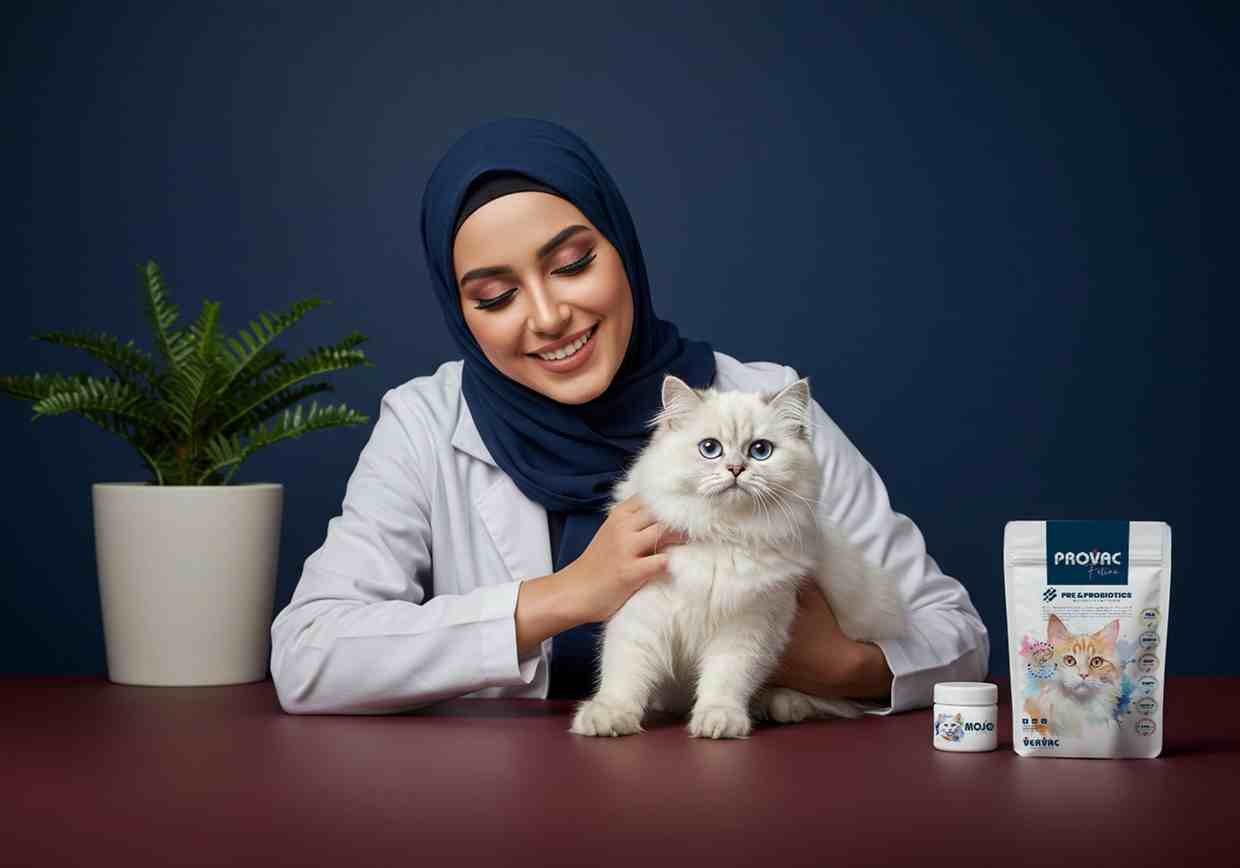
CAT LOVERS
feline friends are here to mesmerize you with their elegance and mysterious charm. Witness their graceful strides, soft purrs, and those adorable whiskers that will have you saying, "Aww!"
What you need to know about your Cat!
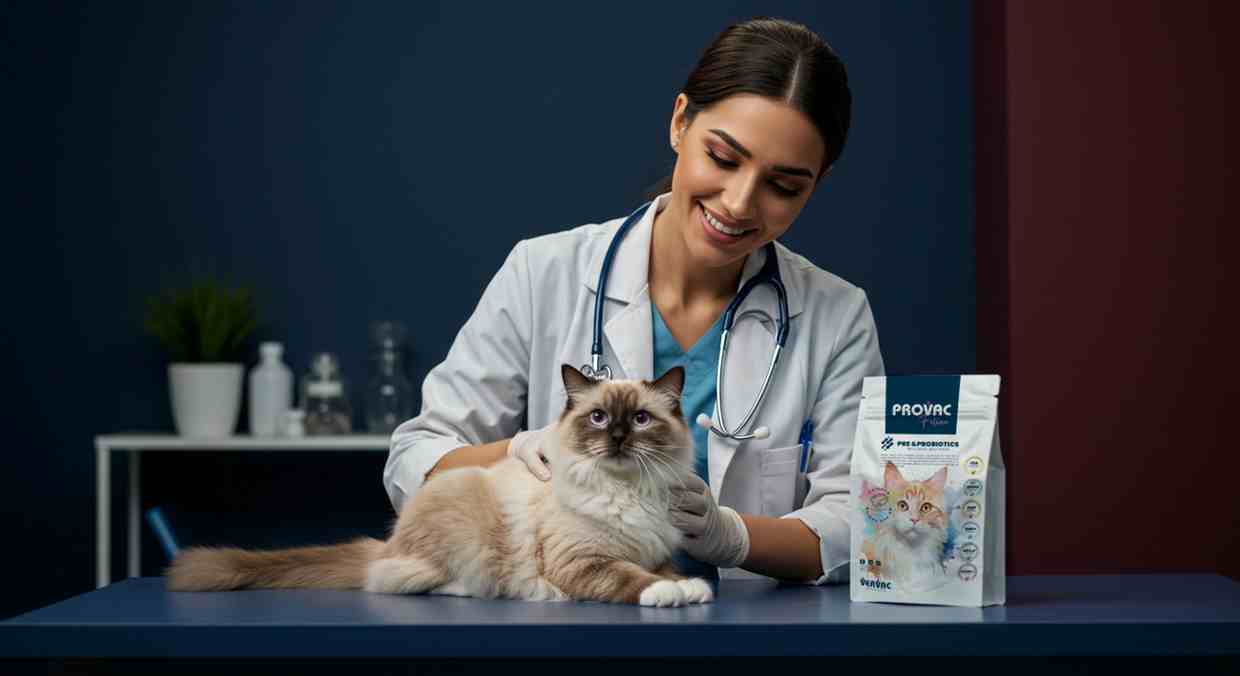
well-being of your furry friend
Raising a healthy cat involves providing them with proper nutrition, regular veterinary care, a safe environment, mental stimulation, and love and attention. Here are some guidelines to help you ensure the well-being of your feline friend:
- Balanced Diet: Feed your cat a balanced, species-appropriate diet that meets their nutritional needs. Cats are obligate carnivores, so their diet should primarily consist of high-quality animal protein. Consult with your veterinarian to determine the best type of food, serving size, and feeding schedule for your cat.
- Fresh Water: Ensure your cat has access to clean, fresh water at all times. Regularly change their water and keep their water bowl clean.
- Veterinary Care: Schedule regular veterinary check-ups and vaccinations for your cat. Routine examinations can help detect any potential health issues early on and prevent or manage conditions effectively. Stay up-to-date with vaccinations and follow your vet's recommendations for preventive treatments such as parasite control.
- Environmental Enrichment: Provide mental and physical stimulation for your cat. Offer interactive toys, scratching posts, climbing structures, and puzzle feeders to keep them active and engaged. Rotate toys regularly to prevent boredom.
- Litter Box Maintenance: Keep the litter box clean by scooping waste daily and completely changing the litter regularly. Provide enough litter boxes in multiple locations throughout your home, especially if you have multiple cats.
- Dental Care: Take care of your cat's dental hygiene. Brush their teeth regularly with a soft toothbrush and pet-safe toothpaste. Consider providing dental treats or using dental rinses recommended by your veterinarian.
- Grooming: Regular grooming is important for maintaining your cat's coat and skin health. Brush their fur to prevent matting and hairballs. Check and clean their ears, trim their nails when needed, and bathe them occasionally if they are comfortable with it.
- Safety Measures: Create a safe indoor environment for your cat, ensuring there are no toxic plants, chemicals, or hazards they can access. If your cat goes outdoors, consider providing them with a secure outdoor enclosure or supervision to prevent injuries or exposure to dangers.
- Socialization: Socialize your cat from a young age to help them become comfortable around people and other animals. Provide opportunities for play, interaction, and positive reinforcement to build their confidence.
- Love and Attention: Spend quality time with your cat, offering affection and attention. Engage in interactive play sessions, provide cozy spots for napping, and create a strong bond through gentle handling and positive experiences.
Remember that each cat is unique, so it's important to observe their behavior and adjust their care accordingly. Consult with your veterinarian for personalized advice based on your cat's breed, age, and any specific health considerations.
ESSENTIAL KNOWLEDGE FOR EVERY CAT OWNER.
Cat training at a glance
Cats socializing at a glance
Cat training at a glance
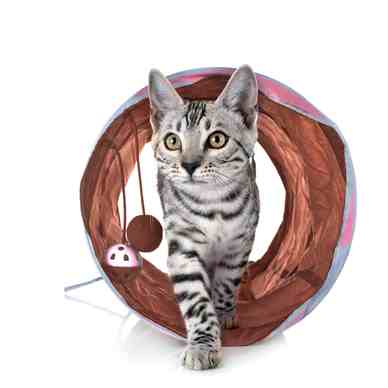
Consistent cat training can also help you pick up on their body language and learn what they’re trying to communicate. If you’re unsure whether you’re ready to get a cat due to the prospect of bad behavior, factor in the effectiveness of cat training in your decision.
Cat feeding at a glance
Cats socializing at a glance
Cat training at a glance

Feed your cat twice a day – Dried food can be left down all day so your cat can eat when they please. Kittens and older cats need smaller but more frequent meals. Be consistent – Your cat will let you know which brand and flavours they like best, and often won’t touch anything else!
Cats socializing at a glance
Cats socializing at a glance
Cats socializing at a glance
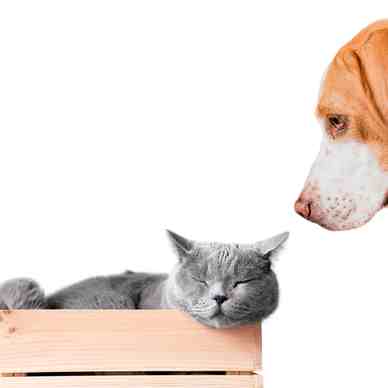
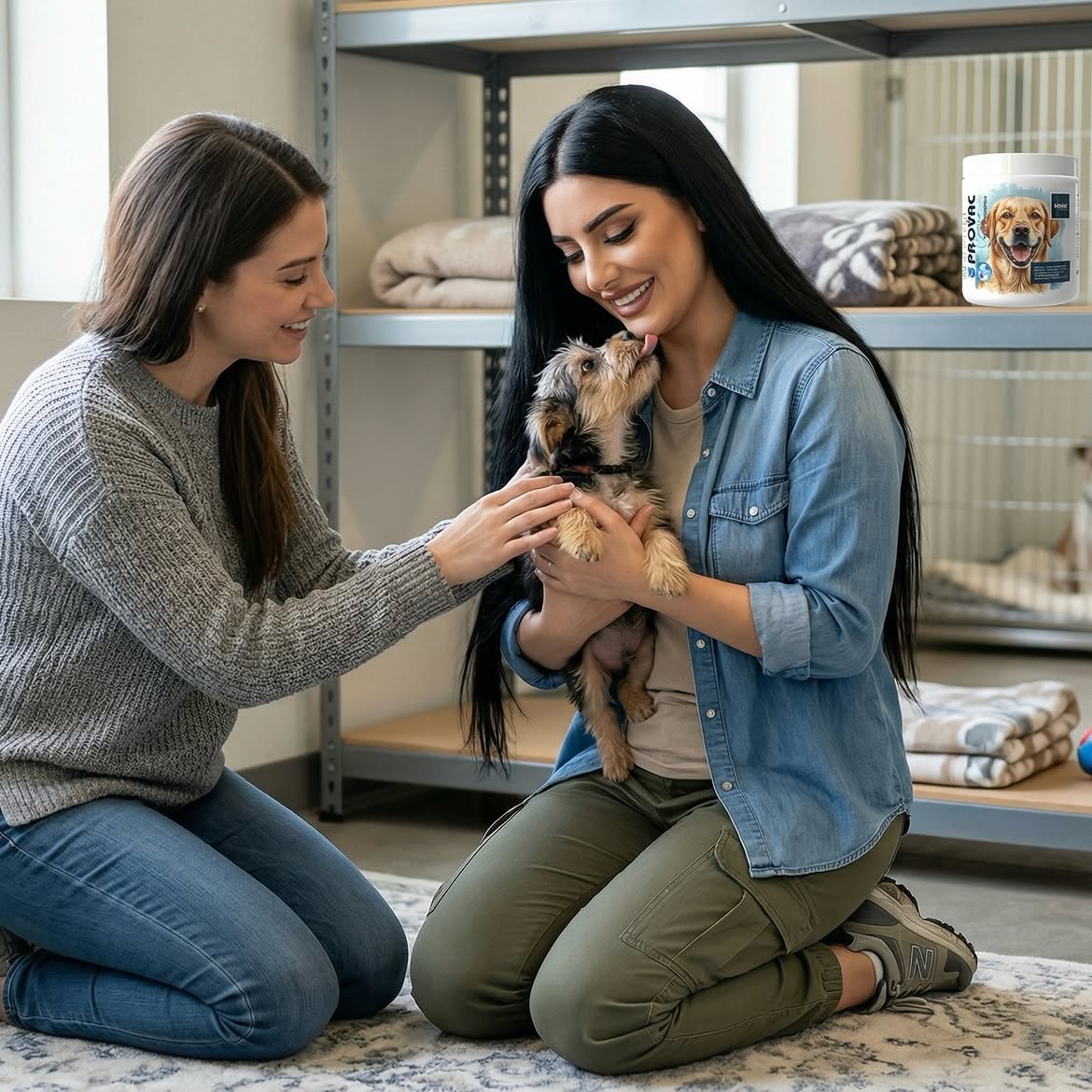
To socialize a cat means to gradually acclimate her to human touch, human spaces, and human sights, smells, and sounds. It's a process that is influenced by many factors of a cat's life and takes time and effort from compassionate people.
Cats grooming at a glance
Cat medical examinations at a glance
Cats socializing at a glance
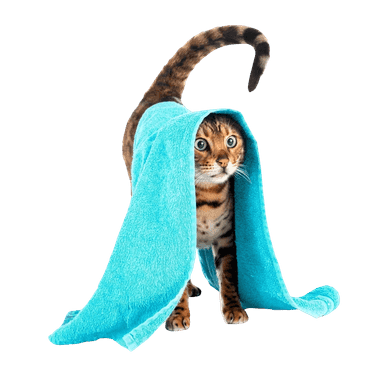
Most cats are neatniks and spend up to 50 percent of their awake time indulging in some form of cat grooming.1 However, grooming is learned by copy-cat behavior during kittenhood. Kittens learn to lick themselves at a very young age and are self-bathing by the time they're weaned.
Cat breeds at a glance
Cat medical examinations at a glance
Cat medical examinations at a glance

Owning a cat can mean a happy and fulfilling life together, While Cats are fantastic pets, but each breed has a slightly different temperament. Which one is the purrfect pet for you?
Cat medical examinations at a glance
Cat medical examinations at a glance
Cat medical examinations at a glance
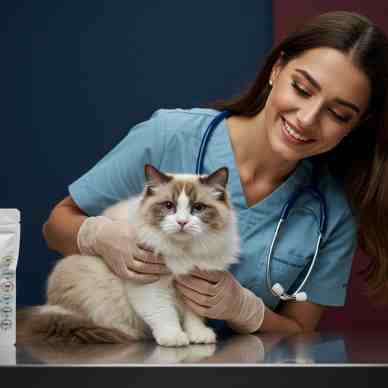
During early kittenhood, wellness exams are recommended on a monthly basis, while for the average adult cat, annual wellness examinations are the norm, and semi-annual examinations are recommended for middle aged, senior, and geriatric cats.
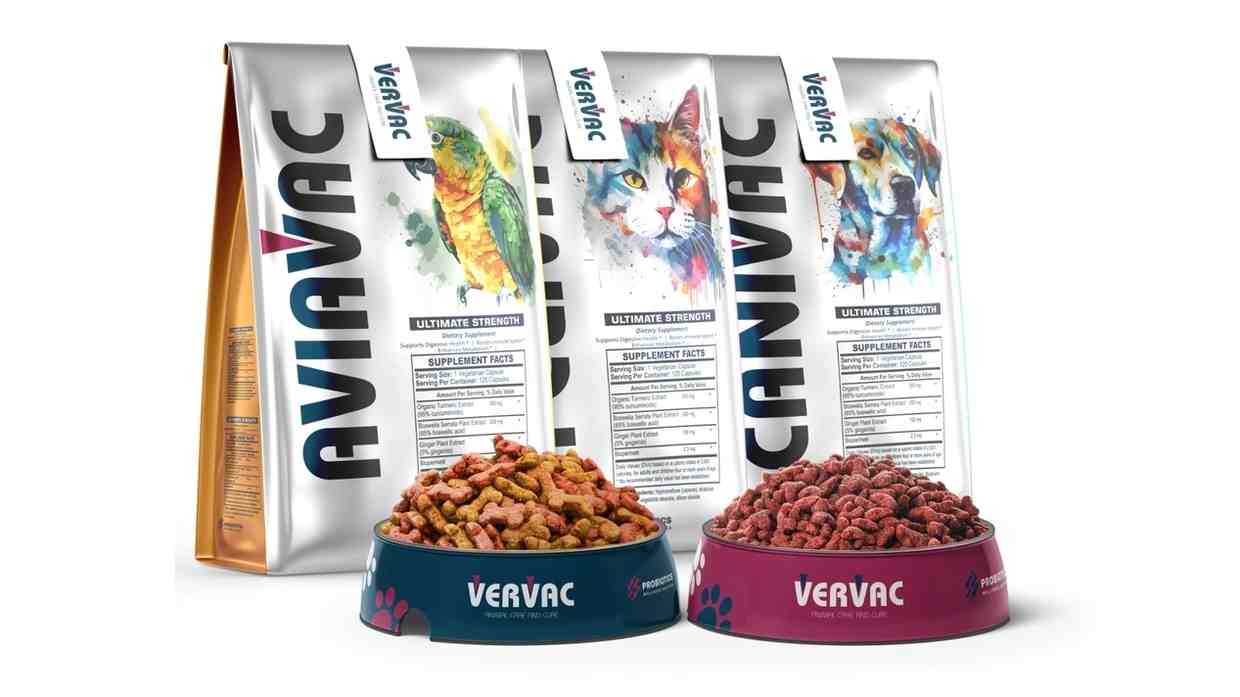
Dry food standards and quality
Premium dry CAT food
Premium dry pet food typically adheres to certain standards to ensure high-quality nutrition for pets. These standards may include:
1. High-Quality Ingredients: Premium dry pet foods often use high-quality animal protein sources as the main ingredient, such as chicken, beef, fish, or lamb. They prioritize whole meat sources over by-products or fillers.
2. Balanced Nutrition: Premium dry pet food contains a balance of essential nutrients, including proteins, fats, carbohydrates, vitamins, and minerals. The formulation is designed to meet the specific needs of pets at different life stages, such as puppies, adult dogs, or senior dogs.
3. Complete and Balanced Formulation: Premium dry pet food meets the Association of American Feed Control Officials (AAFCO) guidelines for complete and balanced nutrition. This ensures that the food provides all the essential nutrients necessary for pets' overall health and well-being.
4. Limited Fillers and Additives: Premium dry pet food minimizes the use of fillers, such as corn, wheat, or soy, which offer little nutritional value. It also avoids artificial colors, flavors, and preservatives.
5. Natural and Wholesome Ingredients: Premium dry pet food often emphasizes natural ingredients that are minimally processed. This may include using whole grains, fruits, vegetables, and herbs to enhance nutritional content and provide additional benefits.
6. Manufacturing Standards: Premium dry pet food brands usually follow strict manufacturing processes and quality control measures to ensure consistency and safety. This may include sourcing ingredients from trusted suppliers, conducting regular testing, and following Good Manufacturing Practices (GMP).
7. Transparency and Traceability: Premium dry pet food brands tend to be transparent about their ingredients, sourcing, and manufacturing practices. They provide clear and detailed information on their packaging or websites, allowing pet owners to make informed choices.
Learn More
It's important to note that while these standards can help identify premium dry pet food options, preferences may vary based on individual pets' dietary needs and sensitivities. Consulting with a veterinarian can also help in choosing the most suitable food for your pet.
Have more questions?
Canine Care
DOG LOVERS
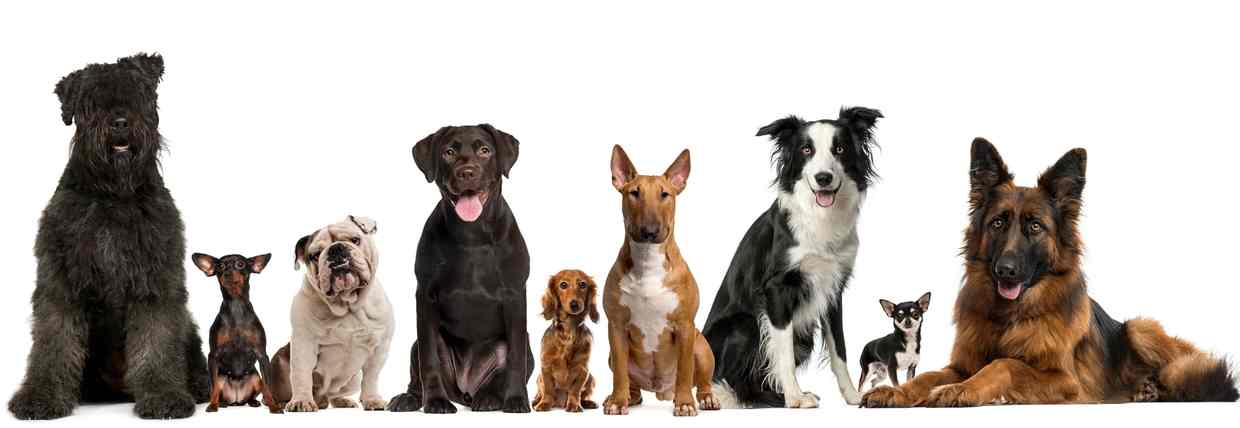
From playful puppies to loyal companions, these paw-some canines are sure to make your heart melt. Whether dog or puppy it's their energetic antics or wagging tails, prepare for endless moments of joy and unconditional love.
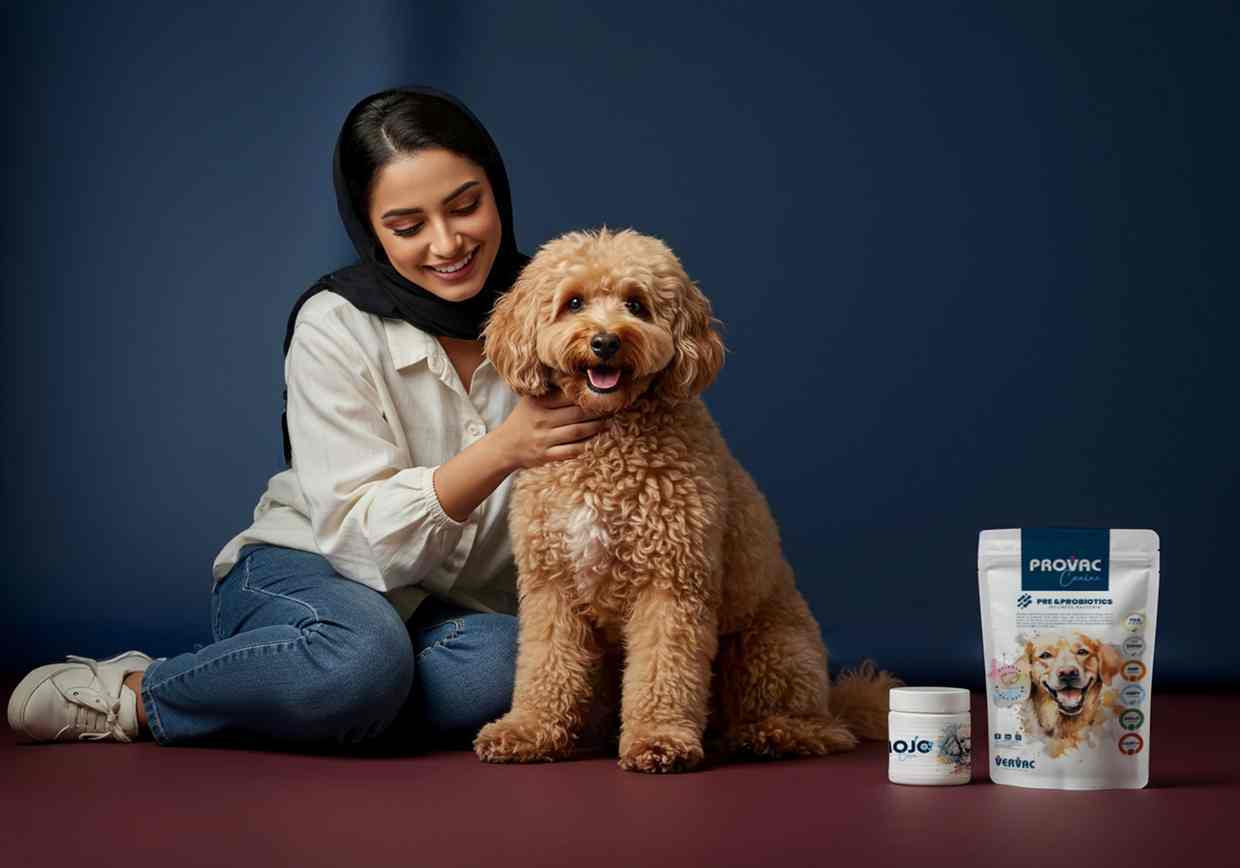
What you need to know about your dog or puppy ! dog care dog health supplem
well-being of your furry friend
Raising a healthy dog or puppy involves several key factors. Here are some guidelines to help you ensure the well-being of your furry friend:
- Provide a Balanced Diet: Feed your dog a complete and balanced diet that meets their nutritional needs. Consult with your veterinarian to determine the appropriate type of food, serving size, and feeding schedule for your dog's age, size, and breed.
- Regular Exercise: Engage your dog in regular exercise to keep them physically fit and mentally stimulated. This may include daily walks, playtime, interactive toys, or even participating in canine sports. The amount and intensity of exercise will vary depending on your dog's age, breed, and health condition.
- Regular Veterinary Check-ups: Schedule regular visits to the veterinarian for vaccinations, preventive care, and wellness exams. Your vet can monitor your dog's health, provide necessary vaccinations, perform routine screenings, and offer advice on maintaining their well-being.
- Dental Care: Practice good dental hygiene for your dog by brushing their teeth regularly. Additionally, consider offering dental treats, toys, or professional dental cleanings when needed. Maintaining oral health can prevent dental diseases that can impact overall well-being.
- Mental Stimulation: Dogs need mental stimulation to prevent boredom and the development of behavioral problems. Offer puzzle toys, interactive games, obedience training, and socialization opportunities to keep their minds engaged.
- Safety Measures: Create a safe environment for your dog both indoors and outdoors. Secure your home and yard to prevent accidents, hazards, and potential escapes. Use appropriate restraints like leashes, harnesses, or fences while taking them outside.
- Socialization: Expose your dog to various people, animals, and environments from a young age. This helps them become well-adjusted and comfortable in different situations. Consider obedience classes or socialization activities to enhance their interaction skills.
- Provide Affection and Love: Dogs thrive on love, attention, and affection. Spend quality time with your dog, offer positive reinforcement, and create a strong bond through play, cuddling, and gentle training methods.
- Regular Grooming: Pay attention to your dog's grooming needs. Regularly brush their coat, clean their ears, check for ticks or fleas, and trim their nails. This not only keeps them clean but also helps you spot any potential health issues early on.
Essential knowledge for every dog owner.
Dogs training at a glance
Dogs socializing at a glance
Dogs training at a glance

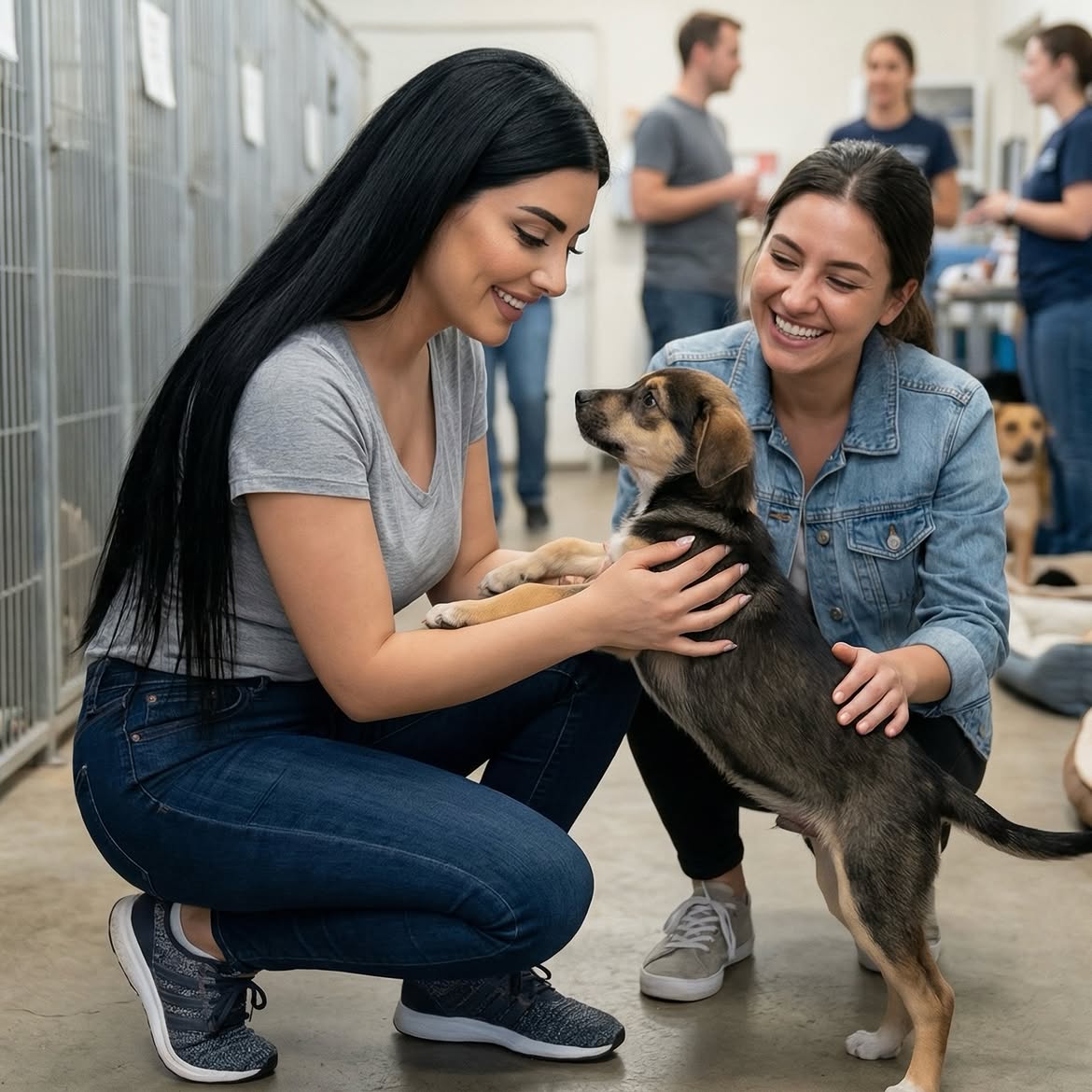
Are you ready to start training your dog or puppy? Proper training and socialization are among your dog's basic needs. It's important to start training your dog as soon as possible to sit, stay, come, go to their crate, and to go potty outside.
Dogs feeding at a glance
Dogs socializing at a glance
Dogs training at a glance

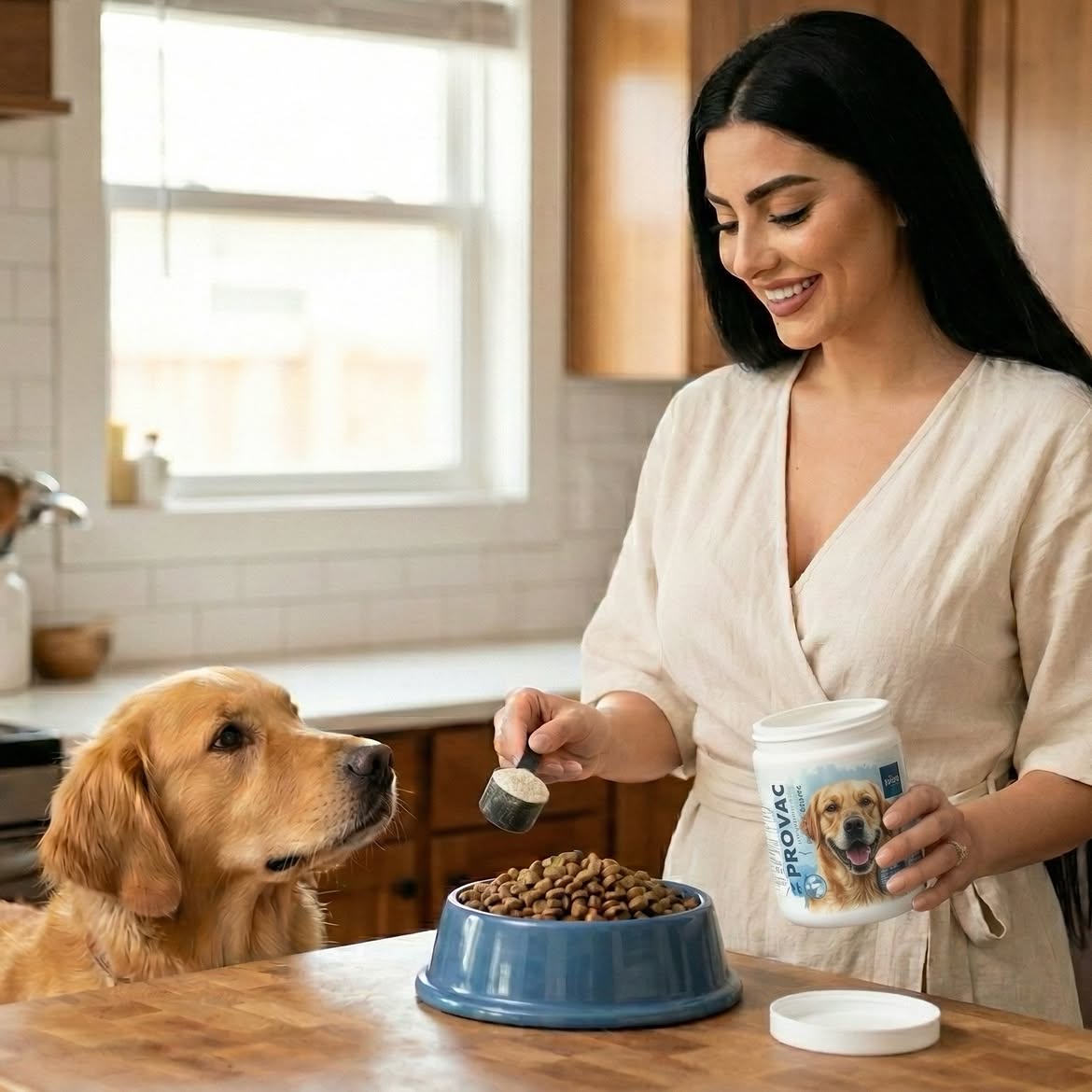
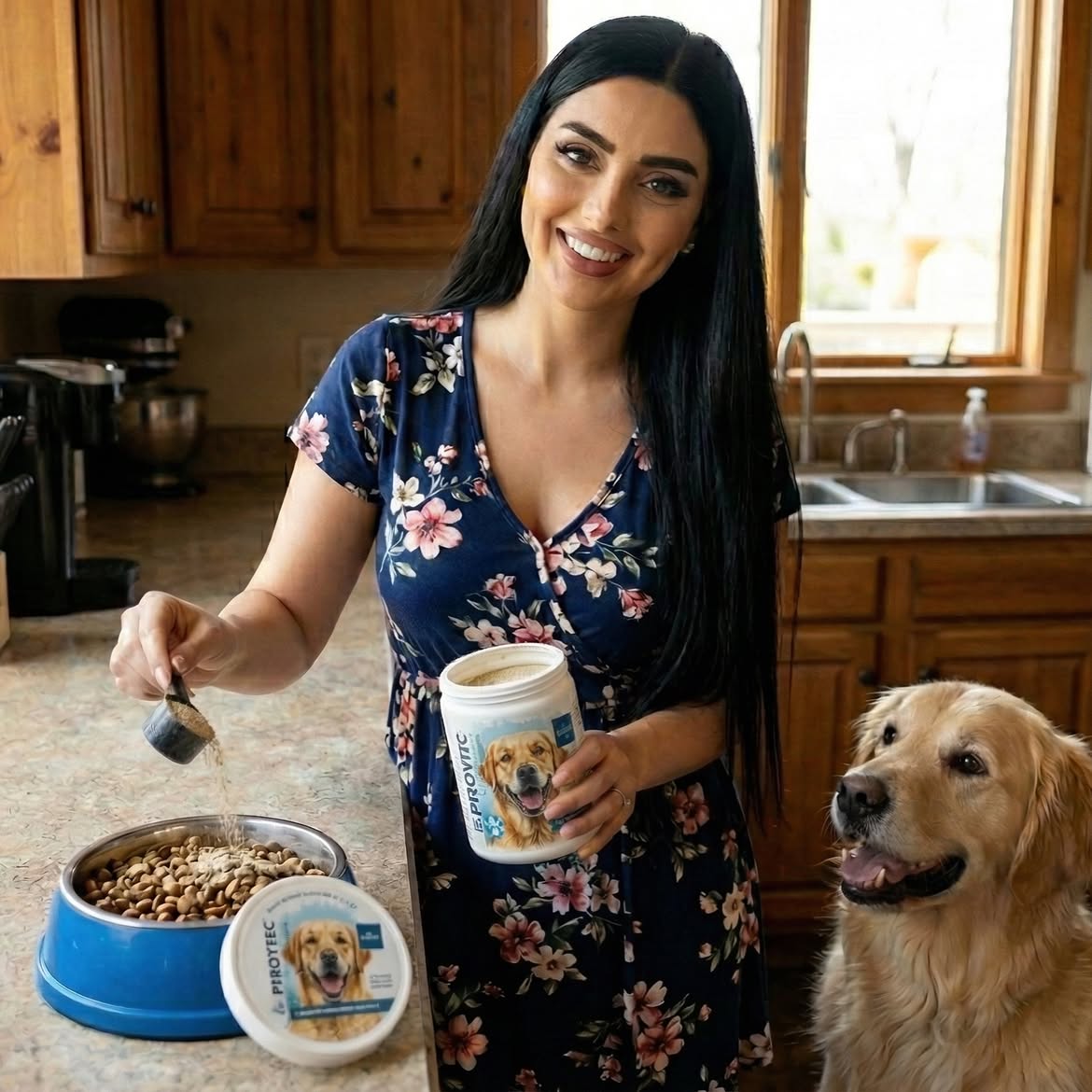
If you feed your dog or puppy too little, they can suffer from nutritional deficiencies. However, If you feed your dog too much, it will eventually result in obesity and its related health issues. You need to account for several factors when determining exactly how much your dog should be eating. dog health supplements may help for better dog care after consulting your veterinarian.
Dogs socializing at a glance
Dogs socializing at a glance
Dogs socializing at a glance

Are you ready to start training your dog or puppy? Proper training and socialization are among your dog's basic needs. It's important to start training your dog as soon as possible to sit, stay, come, go to their crate, and to go potty outside.
Dogs grooming at a glance
Dog medical examinations at a glance
Dogs socializing at a glance
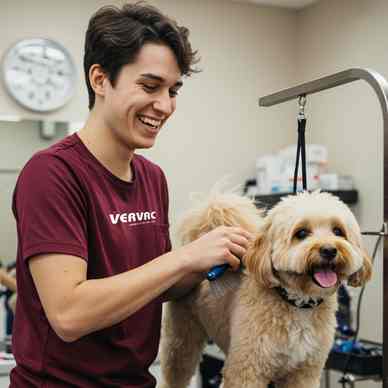
Brushing your dog or puppy ventilates their coat, helping it grow healthy and strong and takes away old and damaged hair. Also ensures that your dog's skin can breathe and keeps down the level of grease in their coat. Too much grease can block pores and cause irritation and all sorts of skin problems. you also can use dog health supplements specialized for skin.
Dog breeds at a glance
Dog medical examinations at a glance
Dog medical examinations at a glance
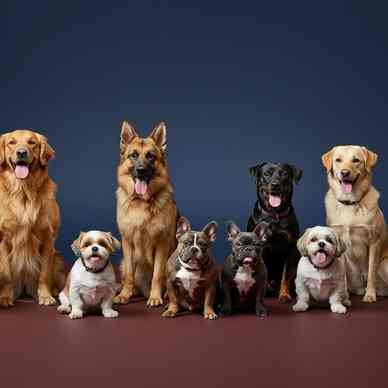
If you want a purebred dog or puppy , be sure you thoroughly research the breed. Determine if you are willing to take on potential challenges with temperament, grooming needs, and health problems. Make sure the breed will fit in with your family and lifestyle, including other dogs.
Dog medical examinations at a glance
Dog medical examinations at a glance
Dog medical examinations at a glance
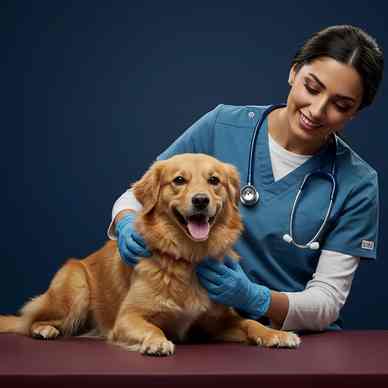
There are four main categories of wellness testing recommended for dog or puppy for better dog care : complete blood count (CBC), biochemistry profile, urinalysis, and thyroid hormone testing. Within each category, your veterinarian will advise you about how extensive the testing should be or what dog health supplements you can use.
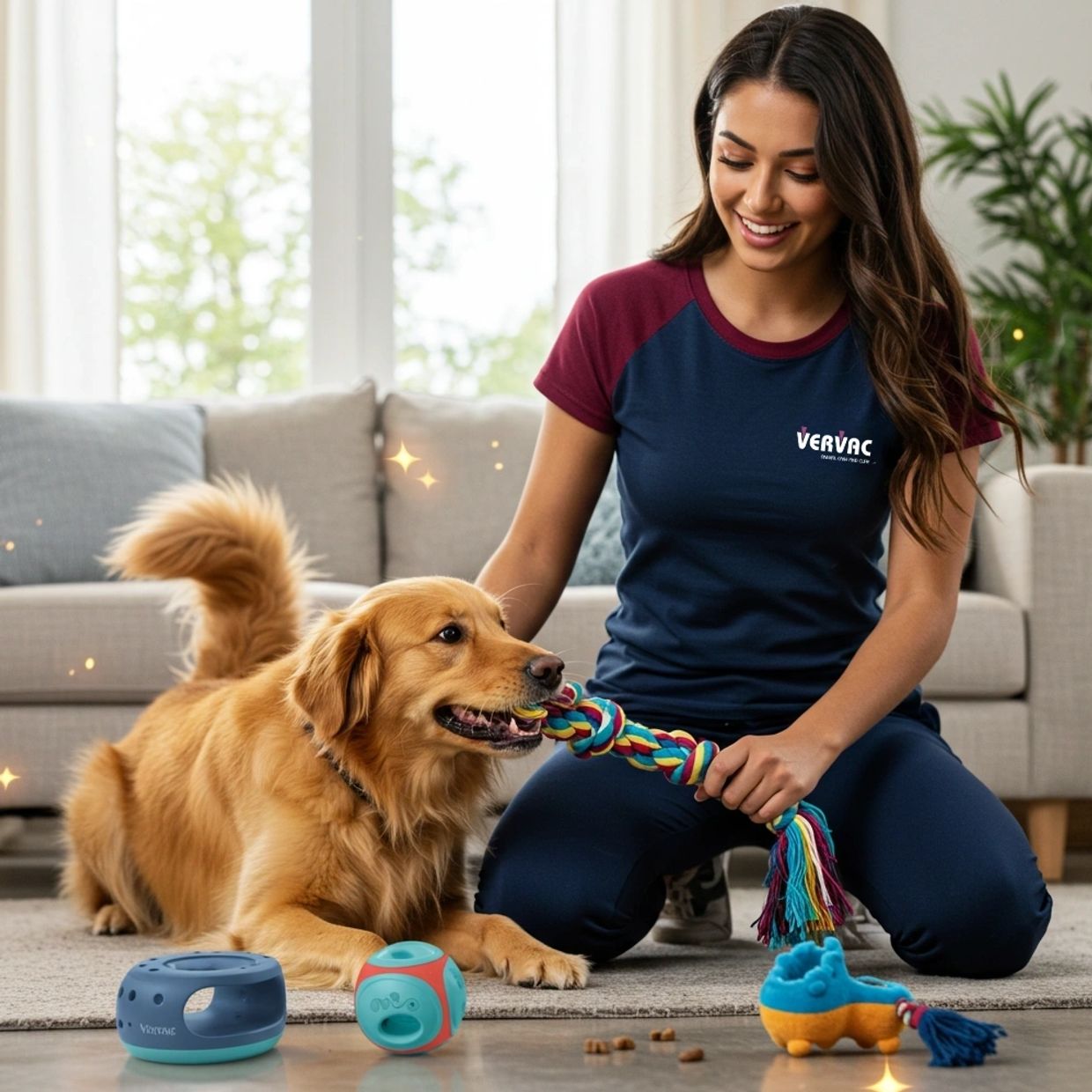
Dogs training at a glance
Additional Information
Are you ready to start training your dog or puppy? Proper training and socialization are among your dog's basic needs. It's important to start training your dog as soon as possible to sit, stay, come, go to their crate, and to go potty outside.
Learn More
Remember that each dog is unique, so it's important to tailor their care to their specific needs. Always consult with your veterinarian for personalized advice based on your dog's breed, age, and any specific health considerations.
Have more questions?

Dogs feeding at a glance
Additional Information
If you feed your dog or puppy too little, they can suffer from nutritional deficiencies. However, If you feed your dog too much, it will eventually result in obesity and its related health issues. You need to account for several factors when determining exactly how much your dog should be eating.
Learn More
Remember that each dog is unique, so it's important to tailor their care to their specific needs. Always consult with your veterinarian for personalized advice based on your dog's breed, age, and any specific health considerations.
Have more questions?

Dogs socializing at a glance
Additional Information
Are you ready to start training your dog or puppy? Proper training and socialization are among your dog's basic needs. It's important to start training your dog as soon as possible to sit, stay, come, go to their crate, and to go potty outside.
Learn More
Remember that each dog is unique, so it's important to tailor their care to their specific needs. Always consult with your veterinarian for personalized advice based on your dog's breed, age, and any specific health considerations.
Have more questions?
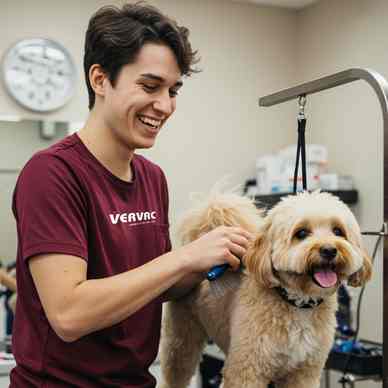
Dogs grooming at a glance
Additional Information
Brushing your dog or puppy ventilates their coat, helping it grow healthy and strong and takes away old and damaged hair. Also ensures that your dog's skin can breathe and keeps down the level of grease in their coat. Too much grease can block pores and cause irritation and all sorts of skin problems.
Use the best possible pet shampoo can be determined based on both medical and physical factors. Here's how each aspect contributes to identifying a superior pet shampoo:
Medical Basis:
1. Gentle Formulation: The best pet shampoo should have a gentle formulation that is suitable for the specific needs of pets. It should be free from harsh chemicals or ingredients that could cause irritation or allergic reactions.
2. Dermatologically Tested: A top-quality pet shampoo is often dermatologically tested, ensuring it is safe for use on animals and does not harm their skin or coat.
3. Hypoallergenic: A hypoallergenic pet shampoo is ideal, as it reduces the risk of triggering allergies or sensitivities in pets with sensitive skin.
4. Veterinary Recommendation: Recommendations from veterinarians and pet professionals add credibility to a pet shampoo's effectiveness and safety.
Physical Basis:
1. Mild Scent: The best pet shampoo generally has a mild scent that is pleasing but not overpowering, as strong fragrances may irritate a pet's sensitive nose.
2. pH-Balanced: Optimal pet shampoo maintains a pH balance that matches a pet's skin, helping to maintain its natural moisture and prevent dryness or oiliness.
3. Natural Ingredients: Shampoos incorporating natural ingredients, such as botanical extracts or essential oils, are generally considered high quality due to their nourishing and soothing properties.
4. Effective Cleaning: The ability to effectively cleanse and remove dirt, debris, and odor from a pet's coat is a crucial aspect of a good pet shampoo.
Learn More
Remember that each dog is unique, so it's important to tailor their care to their specific needs. Always consult with your veterinarian for personalized advice based on your dog's breed, age, and any specific health considerations.
Have more questions?

Dog breeds at a glance
Additional Information
If you want a purebred dog or puppy , be sure you thoroughly research the breed. Determine if you are willing to take on potential challenges with temperament, grooming needs, dog care and health problems. Make sure the breed will fit in with your family and lifestyle, including other dogs.
Learn More
Remember that each dog is unique, so it's important to tailor their care to their specific needs. Always consult with your veterinarian for personalized advice based on your dog's breed, age, and any specific health considerations.
Have more questions?
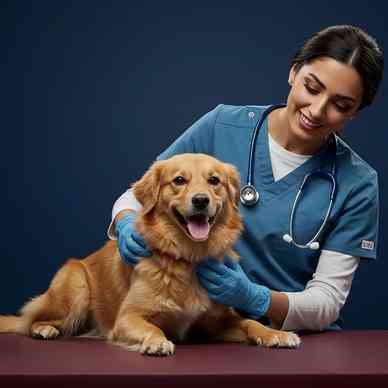
Dogs medical examination at a glance
Additional Information
There are four main categories of wellness testing recommended for dogs: complete blood count (CBC), biochemistry profile, urinalysis, and thyroid hormone testing. Within each category, your veterinarian will advise you about how extensive the testing should be.
Learn More
Remember that each dog is unique, so it's important to tailor their care to their specific needs. Always consult with your veterinarian for personalized advice based on your dog's breed, age, and any specific health considerations.
Have more questions?
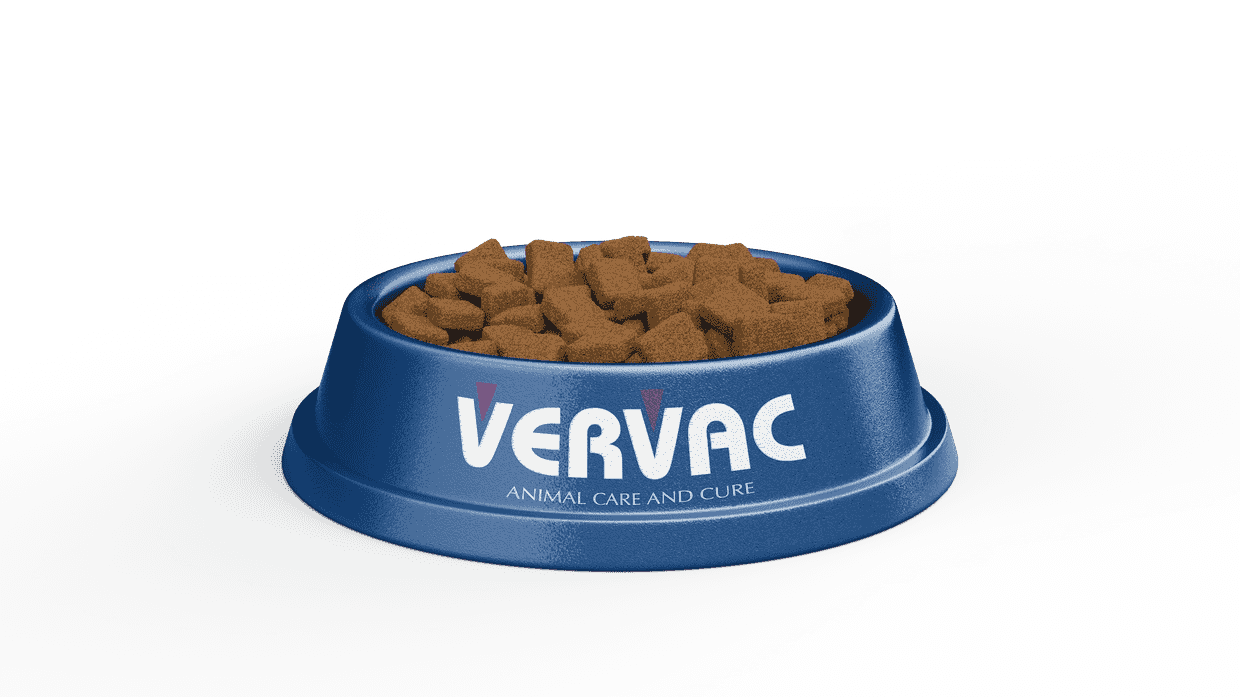
PET food standards and quality
Premium dry pet food
Premium dry dog or puppy food typically adheres to certain standards to ensure high-quality nutrition for pets. These standards may include:
1. High-Quality Ingredients: Premium dry pet foods often use high-quality animal protein sources as the main ingredient, such as chicken, beef, fish, or lamb. They prioritize whole meat sources over by-products or fillers.
2. Balanced Nutrition: Premium dry pet food contains a balance of essential nutrients, including proteins, fats, carbohydrates, vitamins, and minerals. The formulation is designed to meet the specific needs of pets at different life stages, such as puppies, adult dogs, or senior dogs.
3. Complete and Balanced Formulation: Premium dry pet food meets the Association of American Feed Control Officials (AAFCO) guidelines for complete and balanced nutrition. This ensures that the food provides all the essential nutrients necessary for pets' overall health and well-being.
4. Limited Fillers and Additives: Premium dry pet food minimizes the use of fillers, such as corn, wheat, or soy, which offer little nutritional value. It also avoids artificial colors, flavors, and preservatives.
5. Natural and Wholesome Ingredients: Premium dry pet food often emphasizes natural ingredients that are minimally processed. This may include using whole grains, fruits, vegetables, and herbs to enhance nutritional content and provide additional benefits.
6. Manufacturing Standards: Premium dry pet food brands usually follow strict manufacturing processes and quality control measures to ensure consistency and safety. This may include sourcing ingredients from trusted suppliers, conducting regular testing, and following Good Manufacturing Practices (GMP).
7. Transparency and Traceability: Premium dry pet food brands tend to be transparent about their ingredients, sourcing, and manufacturing practices. They provide clear and detailed information on their packaging or websites, allowing pet owners to make informed choices.
Learn More
It's important to note that while these standards can help identify premium dry pet food options, preferences may vary based on individual pets' dietary needs and sensitivities. Consulting with a veterinarian can also help in choosing the most suitable food for your pet.